
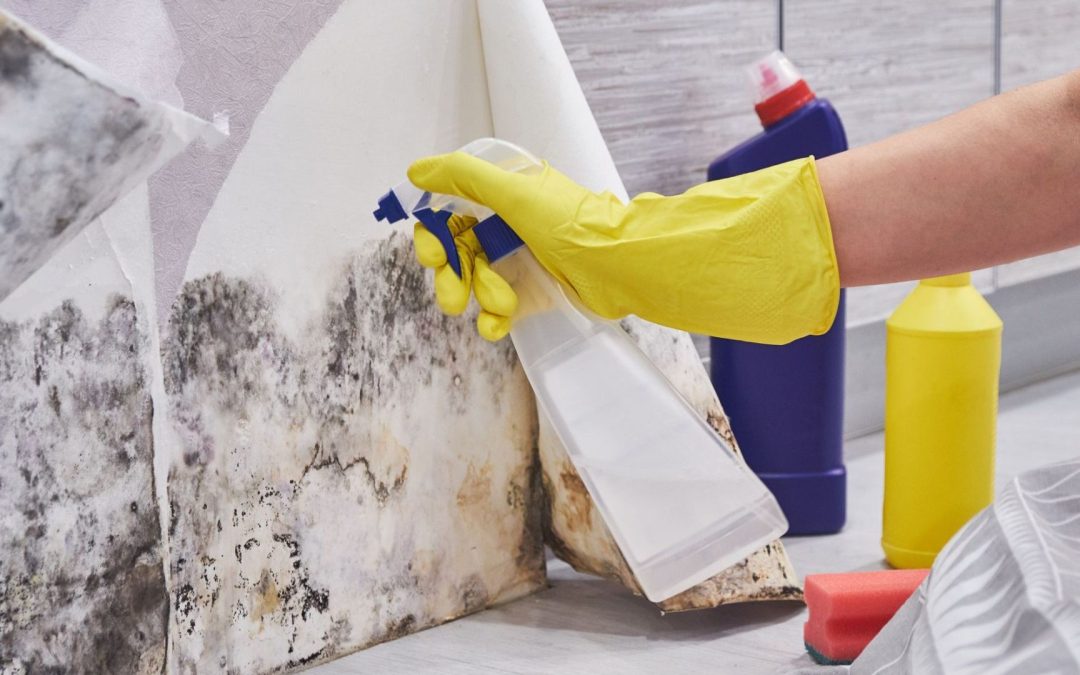
When it comes to mould removal, it is crucial to involve professionals to ensure a safe removal process. Among the different types of mould, if you’re facing “black mould removal”, professional intervention is necessary. Contacting the black mould increases the likelihood of developing asthma and long-term respiratory problems.
What is black mould?
Stachybotrys chartarum, often referred to as black mould, is a species that appears as a greenish-black mould on materials with high cellulose content. Hence, you will find them in fibreboard, paper, and gypsum board in your house. If these materials in the house are exposed to moisture, mould is expected to grow.
Hence, you will find black mould commonly in poorly ventilated rooms, basements, lofts, on condensing walls, and in parts of the house with water damage, leaks, or plumbing issues.
What are the health impacts of black mould?
Stachybotrys chartarum is a variant of black mould that negatively impacts health compared to other types of mould. The presence of this mould adversely affects individuals with allergic conditions. For instance, patients with asthma will face problems if Stachybotrys chartarum is present within the house and its rooms.
Some common initial health issues include coughing, continuous nasal congestion, sneezing, dry, scaling skin, and itchiness in the eyes, throat, and nose.
Black mould starts out greenish and is difficult to identify initially. However, if you notice a mildew-like odour in the rooms, it’s time to call the professionals.
What are the challenges in removing black mould?
Inability to identify hidden growth
One of the biggest challenges in removing black mould is the failure to identify hidden growth behind walls, under floors, and in ceilings. Without professional intervention, you’ll not be able to identify the colonies.
Health risks during removal
Black mould spores float in the air and pose health risks, triggering allergies and skin irritation. Thus, without protective equipment, covers and ventilation, removing the black mould is risky.
Failing to identify the moisture source
Black mould loves damp parts of the house. To fix it, you need to remove the moisture sources, as they lead to recurrence. Without professional help, it is impossible to locate leaks behind walls or identify the causes of poor ventilation. Finding the exact cause will help in fixing the black mould.
When to call a professional for help?
The challenge in mitigating black mould lies in the uncertainty about the extent of the problem in your home. To make your home free of black mould, you need to address the issue and eradicate the root causes.
Mould can at times develop inside the walls and become visible on the drywall. If you suspect the black mould growth has been inside the walls, rather than trying DIY methods for complete eradication, get in touch with the professionals for mould removal.
Read our blog: Black Mould vs. Other Household Mould: How Dangerous Are They?
Contact Mould Matters for black mould removal. We tackle all mould cases in residential and commercial buildings. Whether you have black mould creeping up your walls or recurrent damp issues, we’re the team to get to the bottom of the problem.