
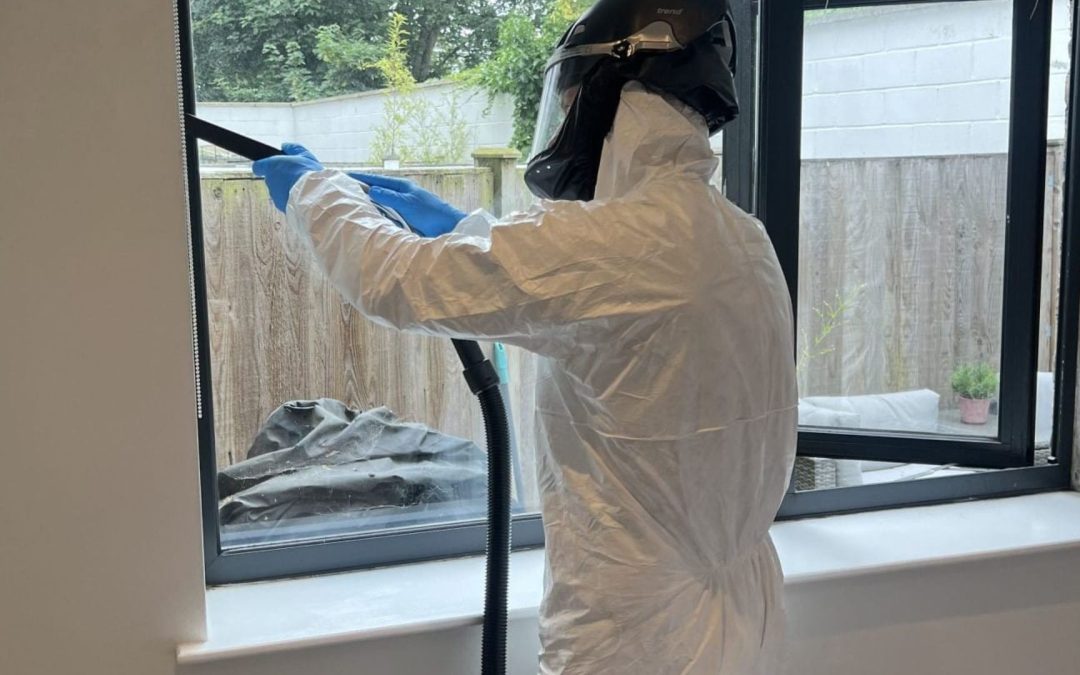
There’s a certain charm to older UK homes. The high ceilings, the period features, and the sense of history, obvious all around, make them special in every way. But behind all this, there lies a more pressing reality: older properties are significantly more vulnerable to mould growth. It is a problem that quietly takes hold in corners, on walls, and behind furniture, and can cause real damage if left unaddressed.
London is packed with Victorian terraces, Edwardian semis, and post-war buildings, all facing the same underlying challenge. This explains the rise in demand for mould remediation in London.
Why Mould Finds It So Easy to Take Hold in Older UK Homes
The Way Older Homes Were Built
Modern homes are designed with moisture management in mind. Think of cavity walls, damp-proof courses, vapour barriers, and more. However, older properties, built before the mid-twentieth century, never had these. Many were built using solid brick walls that absorb moisture rather than repel it. If they had damp-proof courses, those might have deteriorated significantly over the decades.
All this allows the rainwater to soak into the external walls. In fact, when ground moisture rises through the foundations, there’s very little to stop it from travelling inward. This results in persistent dampness.
Ventilation and the Lack of It
Older homes were designed to breathe through draughts and open fires. Chimneys acted as natural ventilation systems, drawing air through the building and keeping moisture levels in check. As those fireplaces were blocked up and draughts were sealed for the sake of energy efficiency, the natural airflow stopped.
Without adequate ventilation, everyday activities such as cooking and showering release moisture in the air that has nowhere to go. It settles on cold surfaces, particularly external walls and single-glazed windows, and creates damp conditions that mould thrives in. This is one of the reasons why mould remediation in London is called upon in period properties.
Original Materials and Ageing Infrastructure
Materials used in old properties can at times contribute to mould susceptibility, though this may not always be very obvious. For instance, original lime plaster is more breathable than modern plaster. This may sound like a good thing, but it also means that it absorbs moisture more readily.
Ageing roof tiles, deteriorating pointing, and old timber window frames that have warped/ cracked over time create entry points for water that can be difficult to spot until mould has already taken hold.
Slow leaks behind walls, condensation on uninsulated pipes, and ageing bathroom seals can all introduce moisture into buildings. By the time the mould becomes visible, the underlying issue may have been around for quite some time. This makes professional mould remediation in London so important.
Key Takeaway
To put it simply, older UK properties are full of charm and character, but they also come up with unique challenges that modern homes don’t. Mould is one of the most common and often misunderstood problems.
At Mould Matters Ltd, we understand that mould in older properties runs deeper than the surface. Thus, our process starts with a thorough inspection to identify the true root cause. We’re a City & Guilds-accredited team and hold an Advanced Mould Remediation Qualification, meaning you’re in genuinely qualified hands. Want to know more? Call us now.