
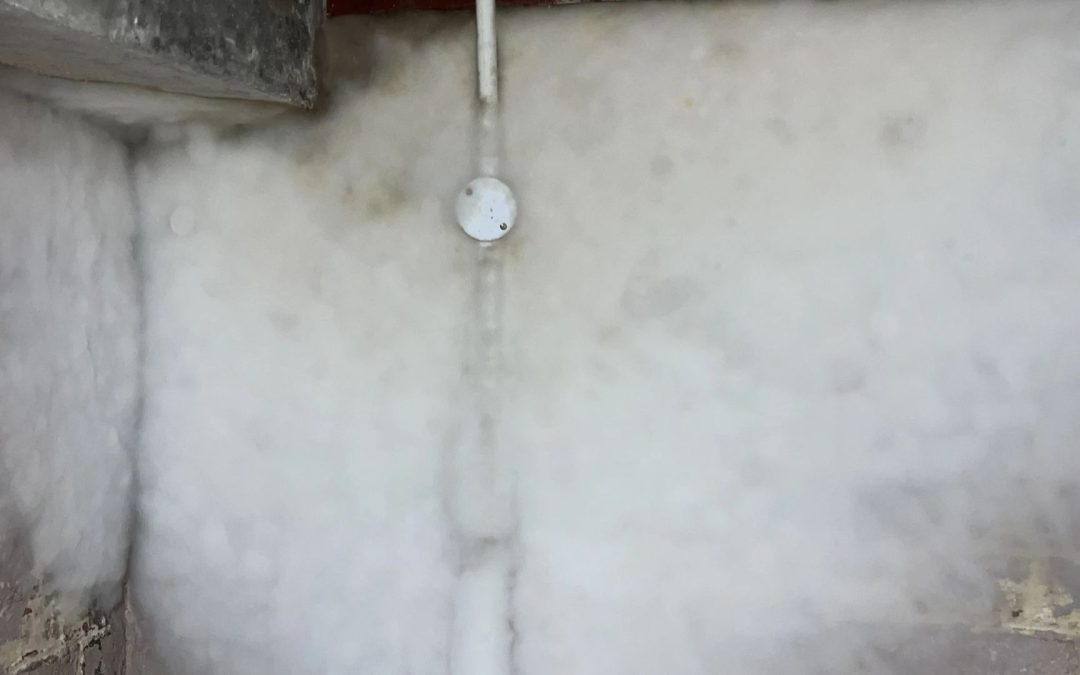
Black mould is a common occurrence in basements and in humid areas of bathrooms and near leaky pipes. These dark black patches, which appeared greenish and slimy at first, required moisture to flourish. scientifically known as Stachybotrys chartarum. This fungus thrives in damp, poorly ventilated areas of rooms and homes. If you find black mould in the corner of the bathroom, then instead of leaving it untreated, get in touch with professionals for mould removal in London. Untreated black mould can cause health issues.
What is black mould?
It is a type of fungus found in the moist parts of the property. Again, if a room is not well ventilated, there is a chance of black mould growth in the corners of the ceiling and throughout the room. Hence, you’ll often notice black mould in:
- Bathrooms and kitchens
- Around the leaking pipes
- Around and behind the wooden furniture
- In basements and poorly ventilated rooms
Beyond being a blotch on your décor, it also poses a significant health risk for the inhabitants of thr property.
What are the causes of black mould?
When there’s continuous exposure to moisture, that’s when you will find black mould occurring, thriving and growing. Moreover, these moulds are found in cellulose-rich materials such as plasterboard, wallpaper, and wood.
Unlike mildews, black mould is generally slimy. There are a few common culprits within a property that cause this type of mould.
Condensation
If ventilation and moisture in the rooms are poor, the walls get cold, making them the perfect abode for mould.
Structural leaks
Penetrating damp inside the cracked roof tiles and cracked masonry are the places that give rise to the occurrence of this type of mould.
Rising damp
Moisture that climbs up from the ground through the walls often causes black mould in the property.
Hidden pipe leaks
Pin-hole leaks in pipes and plumbing systems can cause wet patches, and long before you notice, mould will start thriving.
Why is black mould a problem?
It’s not only an aesthetic issue, but it also impacts the indoor air quality which affects the health of the inhabitants. Some of the common health concerns associated with black mould are as follows:
- Continuous coughing and breathing trouble
- Asthma and respiratory issues
- Allergic reaction of the skin
- Headaches, fatigue and sinus issues
Along with these issues, black mould can weaken the plaster and damage the property’s paintwork.
How do professionals help with mould removal?
Professionals use specialist tools and adopt a safe approach to remove moulds. The process of mould removal includes:
- Initial inspection of the mould type and the sources of the moisture
- Measures to contain the spread of the spore
- Use of specialist removal techniques for the contaminated materials from the property
- Application of anti-fungal treatments on the penetrations and the affected parts
- Moisture control solutions to prevent regrowth of the black moulds
When should you call professionals?
Seek professional help whenever you find mould in large areas of the house. If the mould returns even after cleaning, professional intervention is necessary. Are you struggling with mould removal in London? Get in touch with Mould Matters.