
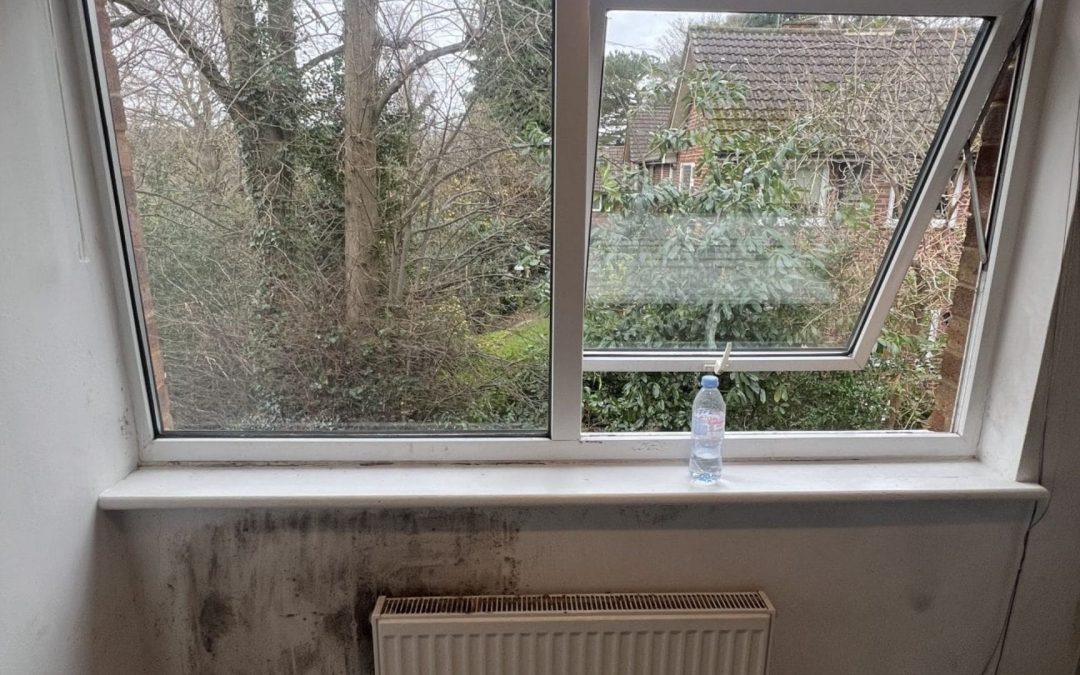
This is an in-person, non-intrusive survey carried out by specialists to identify damp and mould caused by moisture. The damp and mould problem remains unnoticed until homeowners notice black mould, damp patches or bubbling or peeling plaster in different parts of the house. A survey is not guesswork; rather, it is an evidence-based report that will help you fix the issues. Hence, if you need a damp and mould survey in London, do not delay; book as soon as possible.
What happens during an in-person damp and mould survey?
This is a high-standard damp survey in which the inspector examines the walls, ceilings, and floors of the rooms. They pay special attention to the concealed areas behind the furniture. They also inspect the external brickwork, pointing, and roofs for damp and mould.
With the help of diagnostic tools like moisture-meter profiling, they can map moisture exposure readings across an area. The inspectors use thermal imaging to check moisture-related cooling, insulation voids, and cold bridging.
They also conduct ventilation assessments to have a practical look at the airflow pathways. This includes inspecting the extractor fans and trickle vents, which helps to control moisture inside the rooms.
Is a damp and mould survey right for you?
A damp and mould survey is the right step if there are visible signs of damp and mould in the property. Again, if the paint and plaster keep peeling off, or if you encounter musty smells whenever you enter the room, a survey is required to diagnose the problem and address it at the root.
A damp and mould survey is the most reliable way to manage it. A specialist damp surveyor will inspect the whole property and will help you with evidence-based answers to your problems. This survey can help:
- If the damp is affecting the timber structure of the building
- If you’ve purchased a property and are noticing signs of damp, mould, stains, musty odours and cracks.
- If you notice repeated damp in certain parts of the house.
What causes the damp and mould?
Condensation and high humidity
This type of mould is typically seen in corners, behind furniture, or around windows. They are also noticed inside the closets. They tend to worsen in winter, when activities like using warm water for bathing and cooking, or drying clothes indoors, increase indoor moisture levels. After the survey, the inspectors suggest improving ventilation in the rooms by enhancing airflow pathways and balancing heat.
Penetrating damp
Penetrating damp is often localised and is aligned with external defects in the property. The situation generally worsens during wind and rain. This type of mould is generally noticed as damp patches, stains, salt deposits and blown plaster. You will commonly find them in the chimneys, gutters, downpipes and roof junctions.
Plumbing leaks
These types of leaks are found around the kitchens, radiators and bathrooms. They are present as stains and dampness at the floor junctions. They occur on persistently wet floors and near appliances such as showers, flushes, and washing machines.
For expert mould surveys in London, get in touch with Mould Matters. We carry out detailed surveys for clients across London’s 32 boroughs, delivering comprehensive cleaning across the city. Our services include pinpointing mould you might not have noticed (such as behind heavy furniture). We’ll also look for leaking pipes, poor ventilation, and damp spots to get to the root of your mould problem.