
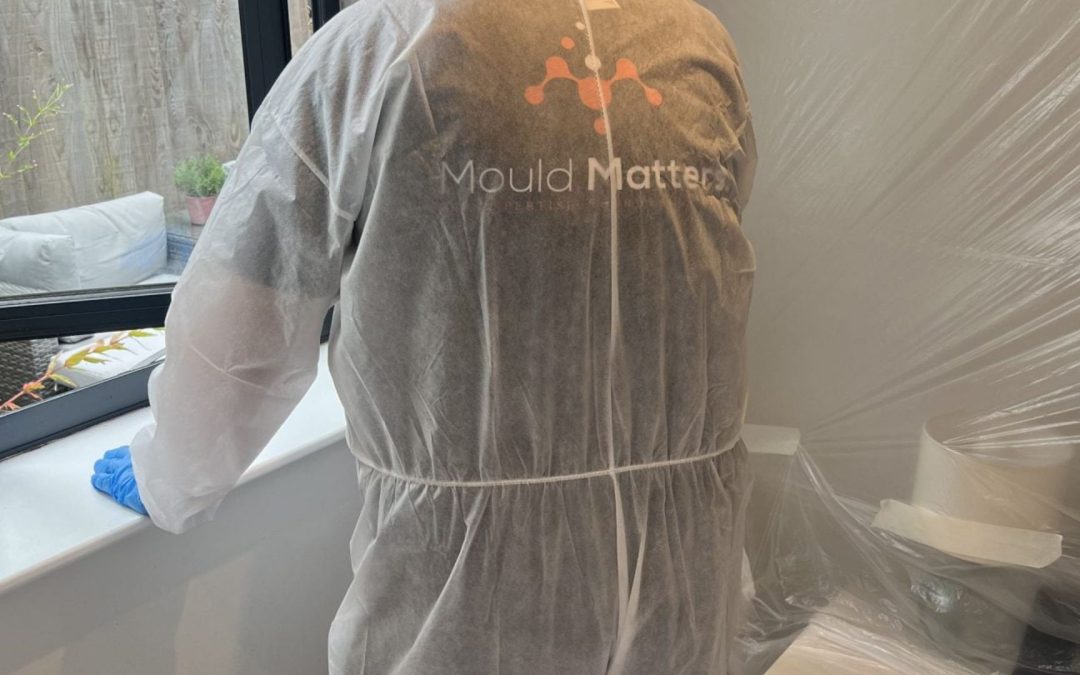
Hidden mould is a common problem in most homes, especially ones where there’s poor ventilation. When fresh air cannot move in/ circulate freely, moisture can get trapped between the walls and the ceiling. Over time, this creates an ideal scenario for mould growth. Most homeowners find this the hard way, when damage is already done or when health symptoms start showing. Thus, people must understand the link between airflow and dampness. In extreme cases, timely mould removal in London may be needed to restore a safe and healthy home environment.
Why Poor Ventilation Leads to Mould Growth
Everyday activities such as showering, cooking, and drying clothes release moisture into the air. Without enough ventilation, this moisture settles on cold surfaces like walls, tiles, and windows. When damp areas stay wet for long periods, mould spores start growing on them.
Rooms with limited airflow, such as bathrooms without extractor fans or bedrooms with closed windows, are particularly at risk. While condensation appears harmless at first, repeated exposure leads to rapid mould growth. It develops behind furniture, inside cupboards, and even beneath flooring.
Moreover, poor ventilation makes it harder for homes to dry out during colder seasons. When warm indoor air meets cold outdoor temperatures, it heightens condensation levels. This creates an ideal scenario for mould growth. If you have a mould problem at your home, you should seek professional mould removal in London. They can fully clear the contamination and prevent it from returning.
Signs of Hidden Mould You Should Not Ignore
Musty smells and stale air
A persistent damp or musty smell is usually the first warning sign. Even if mould isn’t visible, the smell suggests moisture is trapped somewhere inside the home.
Discolouration on walls or ceilings
Peeling paint, dark spots, or bubbling wallpaper are other indications of mould forming on the walls and beneath the surface. These may seem insignificant, but they can hide a much larger issue.
Health symptoms indoors
Frequent coughing, sneezing, or breathing irritation that improves when you leave the house may be linked to mould exposure. Poor indoor air quality affects people’s well-being.
Improving Ventilation to Prevent Future Problems
Good airflow is often one of the best ways of dealing with moisture at home. Simple habits such as opening windows regularly, using extractor fans, and allowing space between furniture and walls can bring in a notable change. Keeping the indoor humidity low will allow surfaces to dry faster and reduce the chances of mould growing.
Home improvements such as installing modern extractor systems, improving insulation, and upgrading window glazing can reduce condensation levels. These not only create a healthier environment but also lower the risk of hidden damp patches developing again. However, prevention alone cannot solve an existing infestation. Proper mould removal in London ensures affected areas are cleaned and treated properly.
Key Takeaway
Poor ventilation often creates the ideal damp setting/ condition needed for mould formation and growth. The problem remains hidden until damage becomes serious. This is what complicates things for homeowners and family members. This is the reason you must understand the warning signs and work toward improving airflow. Timely mould removal in London helps return your living space to a cleaner, safer condition.
At Mould Matters, we identify hidden damp, treat affected areas safely, and prevent mould from returning. Every treatment focuses on protecting both the property structure and indoor air quality for the long term. Looking for experienced attention and proven results? Connect with our experts now.